Blog 9
Sadly I was unable to attend this session due to a bad flu, but I have conducted my own research on the subject.
The subject for this blog in memory and nostalgia.
There are two types of behavioural learning theories, there is classical conditioning and operant conditioning discovered by Russion Physiologist Ivan Pavlov. Classical conditioning is ‘a learning process that occurs through associations between an environmental stimulus and a naturally occurring stimulus.’
http://psychology.about.com/od/behavioralpsychology/a/classcond.htm
A conditioned theory is that of which a person experiences something, for example the smell of a dentist, and they may then recall a past experience be that good or bad.
And the other theory is operant conditioning. a method of learning that occurs through rewards and punishments for behavior
http://psychology.about.com/od/behavioralpsychology/a/introopcond.htm
This theory was created by B.F.SKINNER.
As an example, the teachings of a child through right and wrong. If the child is bad they are punished, if the child acts in a correct manner then the child is rewarded.
Friday, April 30, 2010

Groups...
A group consists of a number of people who have similar interests, surroundings, and values. Depending on a these can determine what groups people belong too to the marketing world. This is a very useful tool the marketers need to be aware of as to which group they are aiming the campaigns or products at. A VERY good example of a ‘group’ is that which has plagued our society for many years now, this self imaged, fine outstanding members of society are that which we all know too well, is the chav. The term ‘chav’ has no technical definition, but the best definitions that I have herd for the word chav, is that it means ‘council house and violent’. The term chav it is a tag given to them by society for there anti social, rude, violent and troublesome behaviour. Here are afew pictures of these fine specimines...


As you can see not the most delightful creatures are they....
As you can see there use of burberry came asa surprise to everyone, but most of all burberry. There high fashion stipped design was picked up by chavs buying cheap knock-offs and this action caused burberry to take a heavy blow and drop this particular design for the time being. There are more social groups to use as an example such as the term ‘goth’ is used to describe a group of people who listen to heavy metal and wear all black, usually will crosses and white faces.#
Loooking at groups from a marketing prospective, here are a group of commercials that are targeted at different groups.
http://www.youtube.com/watch?v=uvpm2bOz6Xs
http://www.youtube.com/watch?v=HKV0QuQsonk
http://www.youtube.com/watch?v=UFYWtGO3Fkw
Here is a graph that shows the many different types of groups that a person can belong to. If a marketing company knows the type of group to aim for then they are able narrow down certain aspects to product a successful product.

Values...
The next session was about ‘Values’. Sadly I was unable to attend this session due to illness so I conducted my own research the subject of values.’ Value is a concept that describes the beliefs of an individual or culture’ (selfgrowth 2009). We all have values this helps us in deciding how we feel about something and how we wish to act upon it. Many people have their own views that they sometimes can’t explain why, it may just feel right to them, for example people may value
the way they live and seek better ways to do so. Yet others may have their values forced on them from birth of by the families another example would be religion, as many don’t have the choice to choose their religion if any.

But there is a useful piece of information I stumbled across when reading, which state how marketing students are told the ‘the goal of marketing is to satisfy consumers needs’ but this theory is irrelevant unless ‘we can discover what those needs are and why’. (Soloman 3rd edition)

Now I will look at a model by a theorist named Abraham Maslow and his ‘Maslow Hierarchy’ model. His model shows the ladder effect that a person takes when making a purchase. Firstly, a person recognises what they need, for example a new car. The second stage will involve them looking for safety within the car and its protection that it can give in an accident. The 3rd stage belongingness and love, they will maybe by the car for some1 they love or the buying decision will be made with the thoughts of another person’s influence, perhaps of a girlfriend or boyfriend. The 4th stage is that of esteem, being proud of one ’s self for buying the car and feeling as if they have accomplished something. And finally is the 5th stage Self actualization is the overall achievement and the person has now achieved his needs.
The use of a this model helps a person to achieve there goals or there values.
References
http://www.selfgrowth.com/articles/Definition_Personal_Values.html
Soloman 3rd Edition, pg 90,
Gender
This session looked at a very interesting subjects....Gender.
Looking at how each gender responds to certain thing in different situations.
My lecturer then played us a short clip. Afew second we were asked to say the ones that stood out to us. My memory was ok but the one advert that stood out to me and only me was the pasta suce advert. This clearly shows that my brain is more aware of food when I see it (this is VERY true). My score showed that I was aware of all the ones I was supposed to see, but the advert that the class felt strongest with is the was a Nivea for Men advert. The advert is a bold, simple and basic.

When advertising to a man they’re brains only able to pick up simple and bold adverts. They showed less interest in the adverts that had more of a intricate hidden message. These adverts are more suited for a women’s mind.
We were all asked to participate in a short online test to determine if our brains thought more like a male or a female.
Here is the link so u can have a quick go yourselves!
– www.bbc.co.uk/science/humanbody/mind/
Thankfully I came out with the mind of a woman, that’s always a good thing!
Next take afew miniutess to look at this picture, just a few second..........
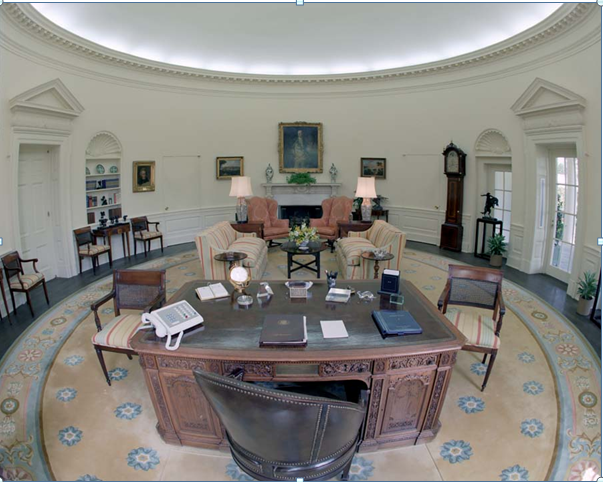
Now what stood out to you? The chair, painting, desk or that one of the laps was switched on?
Men were proved to notice larger objects such as the desk, painting, chair and carpet. And the women noticed things such as the fireplace, the phone on the table, the flowers in the centre of the room and much more!
Here are afew examples of advertisements aimed at men and women. Firstly the men,


I found these to as they both were aimed at selling to the consumers skin. The mens advert is somewhat abit much, its for a fragrance but the man in the picture is flexing his arms. This advert appears unrealistic to me. Where as the female advert is a picture of a natural women, and the product is about looking after your skin and wellbeing. A very positive and feel good advert.
The strategy of marketing to different genders can be the difference between a product or brands success or comlete failure. For example the idea of creating pinf and blue clothes for babies. This has created a divide in there clothing sales, sales for boys and sales for girls.
Yet some marketing can be blurred as to which gender they are trying to aim for, in some cases both. An example of the would be the popular jean brand Wrangler. In the 80’s wrangler launched a european campaign with wild west values, but before this wrangler launched a similar campaign of a using a female supermodel, the campaign of the using the female super model made their sales of jeans to women ‘Grow 400 percent but put men off their brand’ (Soloman 2006).
Perceptual Process...
Continuing with the subject of perception, my next blog will delve a little deeper into the perceptual process. Theorists have developed many different experiments to determine a persons perception process. The first model that we looked at was ‘Kotler’s theory known as the ‘Buyers Decision Process’. This model shows the process of thought that a person experiences when buying something.
The second model that we looked at was 'Perceived Risk Model', by the Harvard Business School in the 1960's, and then was taken on and then extended by Laurent & Kapferer (1985). This model shows the different elements that a person experiences when purchasing something.
Yet these model can change order or relevance depending on the product or method of purchase. As today there are many influences in society that can change this process, for example the use of internet purchasing and purchases over the phone can effect this theory in many ways.
Before delving deeper into the models themselves, we were asked to participate in a small task. This activity consisted of us joining with others to create the face of what we perceived an 0ver 50 to look like, yet instead of using a simple outline to create the face, word that defined them, such as the interests, and hobbies or overall general approach to life.

Here is the picture that we were able to create. As you can see we were unable to finish him in the short space of time given to us. Such word as, ‘comb-over, Waitrose, Mobility scooter and grumpy’ were used to form his face. From this task we are now able to see how other may perceive the over 50’s both as an image and as a description.
The first model that this blog will look at is Kotlers buying decision process which is the process a person goes through when making a decision to buy a product or service (pretty much exactly what it says on the tin).
Here is the process in the stages of kotlers model.
• Problem/need recognition
• Information search
• Evaluation of alternatives
• Purchase decision
• Post-purchase decision
With the first stage, the problem/recognition, is when the consumer realises or feels that they need to purchase something. For example, if the consumers laptop breaks then that is there reason or need to buy a laptop.
The second stage is the information search, this is the general search for the product or in this case a laptop.
The third stage is the evaluation of alternatives. When the consumer has search for the laptop, they then evaluate the alternative with the research they had previously gathered.
The fourth stage is the purchase decision, once the consumer has found there reason for the purchase, and researched alternatives, they are then able to make a decision whether to make a purchase or not.
The final stage of Kotlers buying decision process is the Post-purchase decision. Once a the laptop has been purchased, the consumer then experiences the final stage being post- purchase decision. This involves the consumer after thought on the product after purchasing. Using the example of the laptop the consumer will know if they are completely satisfied with there product. They may have second thoughts, or may even be completely satisfied with the research and final decision.
Here is a link to a video on youtube, it’s a very brief explanation and example of a person experiencing Kotler’s buying decision process,
http://www.youtube.com/watch?v=musALvOfMnA&feature=related
The final model that we looked at in our lecture was the perceived risk model, this consisted of 6 letters, FTPEPS.
These letters stand for 6 words that are used in Laurent & Kapferer (1985).
• Finance
• Time
• Performance
• Ego
• Physical
• Social
The task that we were asked to do involved us using this risk model, to determine how high or low the risk was to a 21year old male, when buying a car, Mobile and Lingerie for his special lady.
Car Mobile Lingerie
Finance High Medium Medium
Time Medium High Medium
Performance High High High
Ego High Medium High
Physical High High High
Social High High Medium
We then did the same for an over 45 year old male, and here were the results.
Car Mobile Lingerie
Finance High Medium High
Time High Medium Medium
Performance High High High
Ego Medium Low High
Physical Medium Low High
Social Low/Medium Low Low
As you can see from the results there were some similarities in the Finance and Performance section, showing that the Male still hold the risks of performance and Finance when making a purchase even into there late 40’s.
The second model that we looked at was 'Perceived Risk Model', by the Harvard Business School in the 1960's, and then was taken on and then extended by Laurent & Kapferer (1985). This model shows the different elements that a person experiences when purchasing something.
Yet these model can change order or relevance depending on the product or method of purchase. As today there are many influences in society that can change this process, for example the use of internet purchasing and purchases over the phone can effect this theory in many ways.
Before delving deeper into the models themselves, we were asked to participate in a small task. This activity consisted of us joining with others to create the face of what we perceived an 0ver 50 to look like, yet instead of using a simple outline to create the face, word that defined them, such as the interests, and hobbies or overall general approach to life.

Here is the picture that we were able to create. As you can see we were unable to finish him in the short space of time given to us. Such word as, ‘comb-over, Waitrose, Mobility scooter and grumpy’ were used to form his face. From this task we are now able to see how other may perceive the over 50’s both as an image and as a description.
The first model that this blog will look at is Kotlers buying decision process which is the process a person goes through when making a decision to buy a product or service (pretty much exactly what it says on the tin).
Here is the process in the stages of kotlers model.
• Problem/need recognition
• Information search
• Evaluation of alternatives
• Purchase decision
• Post-purchase decision
With the first stage, the problem/recognition, is when the consumer realises or feels that they need to purchase something. For example, if the consumers laptop breaks then that is there reason or need to buy a laptop.
The second stage is the information search, this is the general search for the product or in this case a laptop.
The third stage is the evaluation of alternatives. When the consumer has search for the laptop, they then evaluate the alternative with the research they had previously gathered.
The fourth stage is the purchase decision, once the consumer has found there reason for the purchase, and researched alternatives, they are then able to make a decision whether to make a purchase or not.
The final stage of Kotlers buying decision process is the Post-purchase decision. Once a the laptop has been purchased, the consumer then experiences the final stage being post- purchase decision. This involves the consumer after thought on the product after purchasing. Using the example of the laptop the consumer will know if they are completely satisfied with there product. They may have second thoughts, or may even be completely satisfied with the research and final decision.
Here is a link to a video on youtube, it’s a very brief explanation and example of a person experiencing Kotler’s buying decision process,
http://www.youtube.com/watch?v=musALvOfMnA&feature=related
The final model that we looked at in our lecture was the perceived risk model, this consisted of 6 letters, FTPEPS.
These letters stand for 6 words that are used in Laurent & Kapferer (1985).
• Finance
• Time
• Performance
• Ego
• Physical
• Social
The task that we were asked to do involved us using this risk model, to determine how high or low the risk was to a 21year old male, when buying a car, Mobile and Lingerie for his special lady.
Car Mobile Lingerie
Finance High Medium Medium
Time Medium High Medium
Performance High High High
Ego High Medium High
Physical High High High
Social High High Medium
We then did the same for an over 45 year old male, and here were the results.
Car Mobile Lingerie
Finance High Medium High
Time High Medium Medium
Performance High High High
Ego Medium Low High
Physical Medium Low High
Social Low/Medium Low Low
As you can see from the results there were some similarities in the Finance and Performance section, showing that the Male still hold the risks of performance and Finance when making a purchase even into there late 40’s.
piggy?
This session had its laughs as we all took part in a sketching exercise. To kick things off we were asked to draw a pig, no explanation, just a pig. Being slightly confused I then drew a very sorry excuse for a piggy....

As you can see, not the best attempt, but from this picture we were told that from how we designed our piggy it was able to telling us certain things about us and our personality. The more detail in the pig the more the piggy could say about you. The less detail showed that i am very emotional and that i don’t pay much attention to things...with the piggy having 4 legs this showed my stability and stubbornness when i set my mind on something (all very true). And finally the funniest of all perceptions was, the tail of the pig represented a person’s sex-life. (I’m not saying anything).
Once we had moved on from our piggy test, we took a look at the theorist Myer-Briggs and the ‘Myers Briggs Type Indicator’.’ was to make the insights of type theory accessible to individuals and groups. They addressed the two related goals in the developments and application of the MBTI instrument’. (The Myers Briggs Foundation) This test will determine what your personality is like on a more defined way, for example, the term that might be given to you will be as follows,
Extraversion (E) or Introvert (I)
Do you prefer the inner world from the outer world?
Sensing (S) or intuition (N)
Do you prefer basic information or to analyse, interpret and add more information?
Thinking (T) or Feeling (F)
In making a decision do you look at the person and there circumstances or the logic?
Judging (J) or Perceiving (P)
Do you prefer to stay structured or to stay open to new opinions and experiences?
Depending on the results from your test you will be given an arrangement of letters, such as ISFP, which is introvert, sensing, feeling and perceiving.
Have ago on the test and see if your results match up....
With my results I came out as a ISFJ, this is that i am friendly, conscientious and committed person. I am able to notice changes in my surroundings, and I’m constantly concerned about people’s feelings.
With my results I feel they are accurate and really define me as a person.

As you can see, not the best attempt, but from this picture we were told that from how we designed our piggy it was able to telling us certain things about us and our personality. The more detail in the pig the more the piggy could say about you. The less detail showed that i am very emotional and that i don’t pay much attention to things...with the piggy having 4 legs this showed my stability and stubbornness when i set my mind on something (all very true). And finally the funniest of all perceptions was, the tail of the pig represented a person’s sex-life. (I’m not saying anything).
Once we had moved on from our piggy test, we took a look at the theorist Myer-Briggs and the ‘Myers Briggs Type Indicator’.’ was to make the insights of type theory accessible to individuals and groups. They addressed the two related goals in the developments and application of the MBTI instrument’. (The Myers Briggs Foundation) This test will determine what your personality is like on a more defined way, for example, the term that might be given to you will be as follows,
Extraversion (E) or Introvert (I)
Do you prefer the inner world from the outer world?
Sensing (S) or intuition (N)
Do you prefer basic information or to analyse, interpret and add more information?
Thinking (T) or Feeling (F)
In making a decision do you look at the person and there circumstances or the logic?
Judging (J) or Perceiving (P)
Do you prefer to stay structured or to stay open to new opinions and experiences?
Depending on the results from your test you will be given an arrangement of letters, such as ISFP, which is introvert, sensing, feeling and perceiving.
Have ago on the test and see if your results match up....
With my results I came out as a ISFJ, this is that i am friendly, conscientious and committed person. I am able to notice changes in my surroundings, and I’m constantly concerned about people’s feelings.
With my results I feel they are accurate and really define me as a person.
Perception - Experiments

Blog 4
This weeks blog continues on the subject of Perception, looking at an experiment that our class held to help define a persons perception. We all had a choice of which type of experiment we would like to do. Here are the experiments that we had a choice from.
• An experiment to test out the effect of the use of particular colours on wine labelling on the perception of the quality of that wine
• An experiment to test out music effects on perceived quality e.g. different backing tracks to advertisements for a particular product such as beer or perfume
• An analysis of the use of atmospherics in a number of competing retail stores (e.g. use of lighting, music, colour etc) to see how the retail outlet owner is trying to influence people’s perception of his store or product range
• Observe 2 or more people involved in a high cost purchases (e.g. a car, holiday or computer) and identify the detailed stages in their decision making process. Compare and contrast the different shoppers and account for any differences in behaviour which might relate to their perception of the risks involved
The experiment of my choice was the 2nd option. I felt this would be the easiest one as i have had over 4 years retail experience as a sales assistant and personal shopper which involved me studying merchandising, the stores layout and its windows displays.
My next step was to compare two stores and the uses of atmospherics and how they are used to influence a customers perception. Taking the consumers 5 senses into consideration, i was able to successfully analyse and capture how the stores appealed to the consumers 5 senses. Here are afew of the picture that I took to show how what stood out to me the most and that i felt most effective.


As you can see here i have taken a picture of the opening of River Island comparred with H&M. River Island clearly has a more exciting and inviting window display, unlike H&M which is very plain and poorly lit. With the use of a persons 5 sense (sight, sound, smell, taste, and touch) we are able to analyse the the perceptual process which cansists of the 5 senses.
‘The perceptual process is a sequence of steps that begins with the environment and leads to our perceptionvof a stimuli and an action response to the stimulus’ (psychology 2009)
Continuing my journey through both of the stores, it was more than clear that the use of atmospherics can impact a store success and a persons perception greatly. H&M had a very grey and blank look through out, and River Island has a more exciting, texturised and visually impressive layout.
So, next time you pop out to the shops, have look round and you will start to see what those shops have done to try and successfully attract you to there shops with the use of visual atmospherics. You’d be surprised as to how abvious they realy are when you go looking for them!!!
This weeks blog continues on the subject of Perception, looking at an experiment that our class held to help define a persons perception. We all had a choice of which type of experiment we would like to do. Here are the experiments that we had a choice from.
• An experiment to test out the effect of the use of particular colours on wine labelling on the perception of the quality of that wine
• An experiment to test out music effects on perceived quality e.g. different backing tracks to advertisements for a particular product such as beer or perfume
• An analysis of the use of atmospherics in a number of competing retail stores (e.g. use of lighting, music, colour etc) to see how the retail outlet owner is trying to influence people’s perception of his store or product range
• Observe 2 or more people involved in a high cost purchases (e.g. a car, holiday or computer) and identify the detailed stages in their decision making process. Compare and contrast the different shoppers and account for any differences in behaviour which might relate to their perception of the risks involved
The experiment of my choice was the 2nd option. I felt this would be the easiest one as i have had over 4 years retail experience as a sales assistant and personal shopper which involved me studying merchandising, the stores layout and its windows displays.
My next step was to compare two stores and the uses of atmospherics and how they are used to influence a customers perception. Taking the consumers 5 senses into consideration, i was able to successfully analyse and capture how the stores appealed to the consumers 5 senses. Here are afew of the picture that I took to show how what stood out to me the most and that i felt most effective.


As you can see here i have taken a picture of the opening of River Island comparred with H&M. River Island clearly has a more exciting and inviting window display, unlike H&M which is very plain and poorly lit. With the use of a persons 5 sense (sight, sound, smell, taste, and touch) we are able to analyse the the perceptual process which cansists of the 5 senses.
‘The perceptual process is a sequence of steps that begins with the environment and leads to our perceptionvof a stimuli and an action response to the stimulus’ (psychology 2009)
Continuing my journey through both of the stores, it was more than clear that the use of atmospherics can impact a store success and a persons perception greatly. H&M had a very grey and blank look through out, and River Island has a more exciting, texturised and visually impressive layout.
So, next time you pop out to the shops, have look round and you will start to see what those shops have done to try and successfully attract you to there shops with the use of visual atmospherics. You’d be surprised as to how abvious they realy are when you go looking for them!!!
Subscribe to:
Posts (Atom)